August 14, 2026
Outdoor home design is undergoing a major renaissance as property owners seek sophisticated ways to define their boundaries while upgrading overall curb appeal. Today, residential fencing serves as a core architectural feature rather than a simple property line barrier. According to an industry survey conducted by the American Society of Landscape Architects, fencing stands out as one of the most anticipated outdoor structures to be requested of landscape architects, coming in at a notable 41.5%.
Adopting Horizontal Line Designs
Traditional vertical pickets have dominated neighborhood landscapes for generations, but modern design movements have inspired a shift toward horizontal board orientation. Running boards parallel to the ground creates an expansive visual effect that makes backyards, side yards, and front perimeters feel wider and more spacious. This optical transformation works wonders for compact suburban lots, drawing the eye naturally across the property line rather than directing attention up and down. Homeowners are increasingly choosing warm cedar laid out horizontally to complement contemporary architectural lines and flat-roof structures.
Beyond visual expansion, horizontal board arrangements offer flexible control over sightlines and privacy. By adjusting the spacing between each board during construction, property owners can customize airflow and privacy for their space. In our experience, narrow quarter-inch gaps maintain complete privacy while allowing gentle breezes to pass through effortlessly, reducing wind load pressure against the structure during storms. Choosing horizontal patterns for residential fencing allows homeowners to break free from traditional neighborhood aesthetics while establishing a refined, resort-like atmosphere in their own backyard.
Combining Mixed Wood Structures
Mixed-material construction has taken the exterior design industry by storm, offering a balanced contrast between organic timber textures and industrial structural strength. Instead of relying solely on a single material, modern installations frequently pair rich natural timber infill boards with sleek metal framing and support posts. Powder-coated steel posts and horizontal aluminum framing channels provide a robust structural foundation that resists sagging, twisting, or ground-contact timber degradation over time. Inserting warm cedar into dark metallic framing creates a striking juxtaposition that immediately elevates property values and exterior character.
This hybrid approach to design solves long-term structural durability issues that often plague traditional all-wood installations over years of moisture exposure. The heavy powder-coated metal framing bears the primary load and withstands severe weather conditions, allowing the wooden infill panels to retain visual beauty without bearing structural stress. Homeowners who select this style of residential fencing enjoy the timeless warmth of authentic wood grain patterns alongside the clean, modern crispness of dark metal borders. The resulting structure acts as a stunning architectural backdrop for outdoor furniture and custom hardscaping elements.
Selecting Dark Tone Palettes
The era of standard whitewashed boards and light honey stains is giving way to bold, dramatic color tones that transform basic enclosures into artistic statements. Deep charcoal, rich onyx, and matte black finishes have become exceptionally popular choices for modern home exteriors across urban and suburban neighborhoods alike. Dark perimeter barriers create a strong visual frame around property boundaries, making surrounding lawn areas, outdoor features, and hardscaping stand out with striking contrast. Far from looking heavy or gloomy, dark finishes add an undeniable sense of luxury and contemporary sophistication to residential lots.
Beyond traditional solid paints, high-performance penetrating oil stains infused with deep charcoal and iron-oxide pigments are becoming the preferred application method. These modern oil-based treatments soak deeply into the natural timber fibers, highlighting the underlying grain patterns while imparting a dramatic, weather-resistant obsidian hue. Embracing dark color schemes for residential fencing allows property owners to create a high-end, gallery-like backdrop for their outdoor spaces. The deep, absorbent tones absorb intense summer sun rather than reflecting unwanted glare, creating a cozy and remarkably intimate atmosphere within the yard.
Implementing Overlapping Privacy Patterns
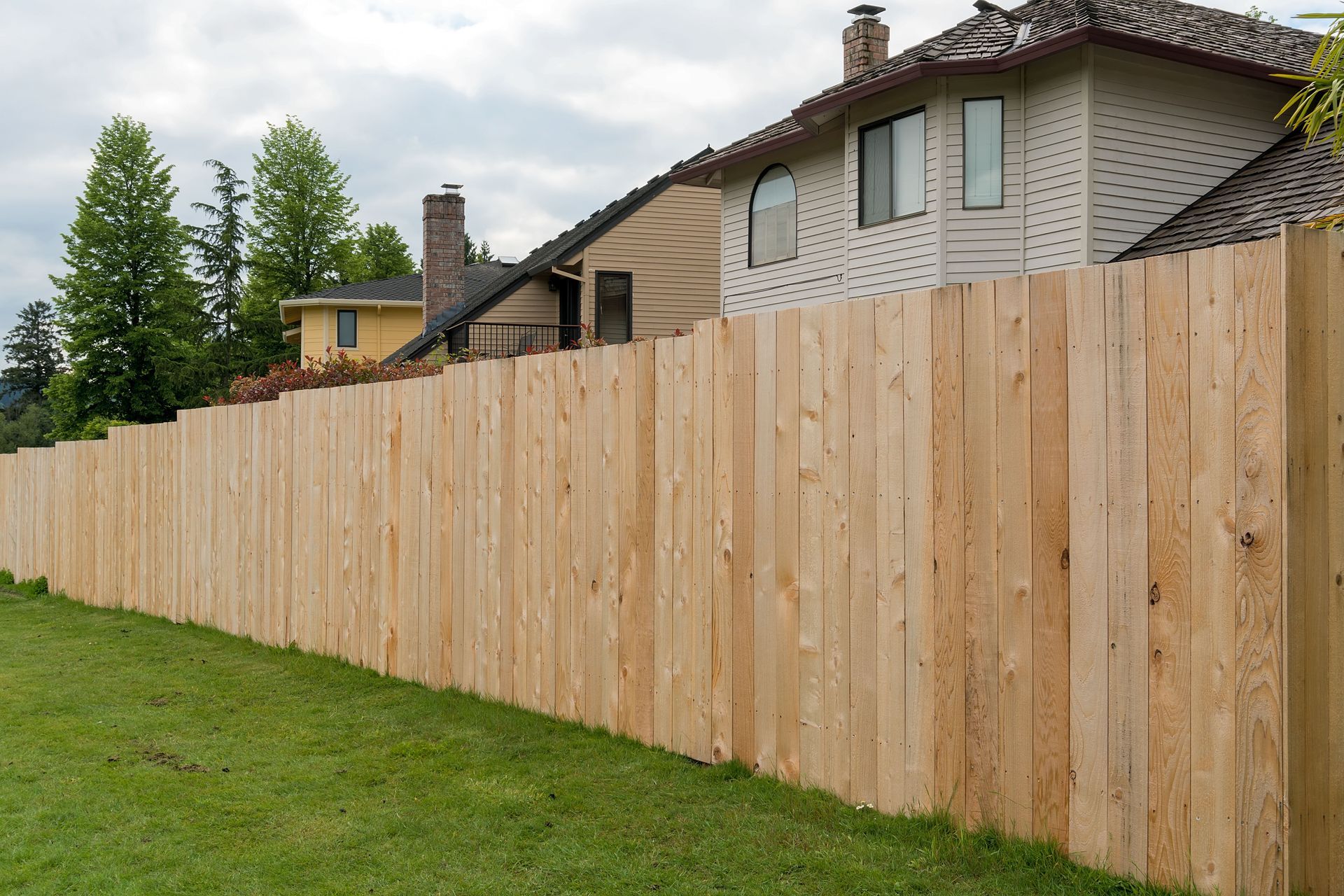
As residential neighborhoods become higher in density and lot sizes shrink, property owners are placing an increased emphasis on absolute seclusion and noise reduction. Full-privacy designs no longer have to look flat, heavy, or monotonous, thanks to modern board-on-board and shadowbox installation techniques. Board-on-board construction overlays vertical or horizontal planks on alternating sides of the central support rail in an overlapping fashion. This staggered layering creates complete visual opacity from all viewing angles, ensuring that neighbors cannot peek through natural gaps as timber boards expand or shrink with seasonal humidity changes.
Shadowbox patterns offer similar privacy benefits while permitting healthy, continuous airflow across the yard perimeter to keep spaces comfortable during warm weather. The alternating board placement creates subtle depth and dynamic shadow lines that shift continuously throughout the day as the sun moves across the sky. Investing in these layered structural styles for residential fencing gives homeowners an attractive finish on both sides of the perimeter wall, keeping neighbors happy while ensuring maximum personal seclusion. Furthermore, the added density of overlapping timber boards provides effective acoustic dampening against street traffic and neighborhood noise.
Designing Geometric Timber Layouts
Beyond standard horizontal and vertical placements, modern homeowners are increasingly turning to geometric board layouts to create unique visual focal points. Chevron, herringbone, and diagonal board orientations introduce dynamic movement and architectural character to property perimeters. By angling wood planks at precise intervals within structural frames, installers can transform simple boundary enclosures into captivating outdoor art installations. This creative approach draws inspiration from interior hardwood flooring trends, bringing refined craftsmanship out into the open air.
Integrating custom geometric patterns also allows property owners to highlight specific areas of their yard, such as outdoor seating nooks or patio boundaries. The intersecting wood lines catch daylight at varying angles throughout the day, generating shifting highlights and shadows that prevent large perimeter walls from looking monotonous. Choosing geometric patterns for perimeter walls offers a custom, boutique feel that elevates standard lumber into a sophisticated design feature. When combined with premium finishes, these intricate timber arrangements provide unparalleled curb appeal that sets a home apart from neighboring properties.
Installing Minimalist Panel Systems
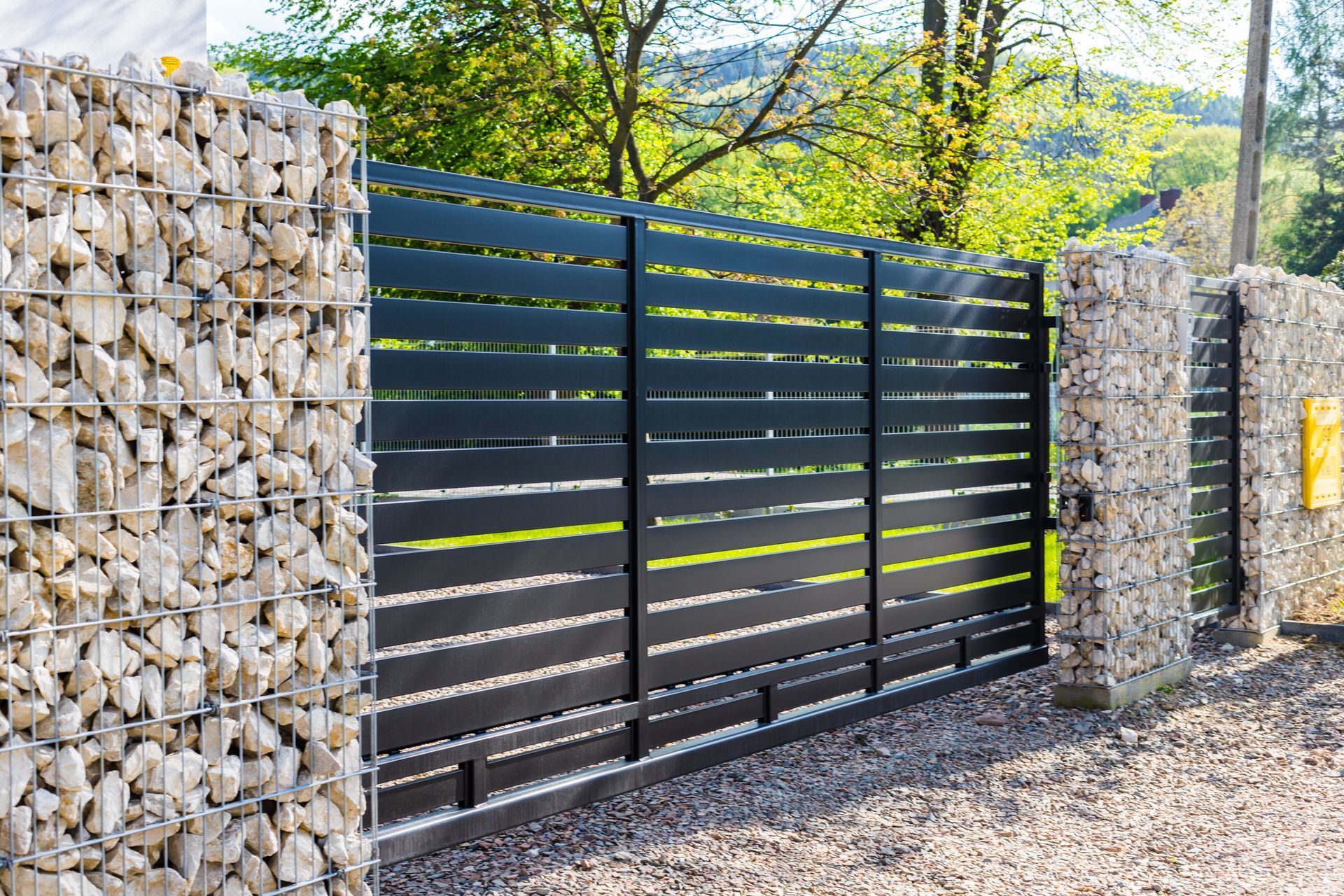
For property owners seeking ultra-low-maintenance durability and crisp industrial lines, modern metal panel systems offer an ideal architectural solution. Powder-coated aluminum and galvanized steel panels provide an ultra-clean appearance that pairs effortlessly with mid-century modern, modern farmhouse, and urban architectural styles. Unlike traditional ornate wrought iron, modern aluminum systems feature sleek horizontal pickets or solid metal panels that provide security and boundary definition without requiring frequent sanding, rust removal, or repainting over time.
These sleek metal barriers are engineered to endure harsh weather conditions, from freezing winter snowstorms to intense summer sun exposure, without warping, splitting, or cracking. Their lightweight yet incredibly durable construction makes installation efficient while delivering exceptional structural integrity across long property lines. Minimalist metal installations appeal to busy homeowners who want high-end boundary protection without devoting valuable weekend hours to routine structural maintenance. The slim metallic profiles preserve open sightlines and subtle shadows, blending seamless perimeter security with contemporary exterior elegance.
Staying informed on current choices in residential fencing enables homeowners to make design investments that dramatically elevate property value and functional comfort. Whether choosing sleek horizontal lines, dark architectural finishes, or sustainable wood materials, modern options offer an ideal solution for every property layout. By selecting a style that complements home architecture, property owners can transform a basic perimeter into an inspiring outdoor highlight. For more insights on modern trends in
residential fencing, please reach out to Great Barrier Fence Co.