November 17, 2026
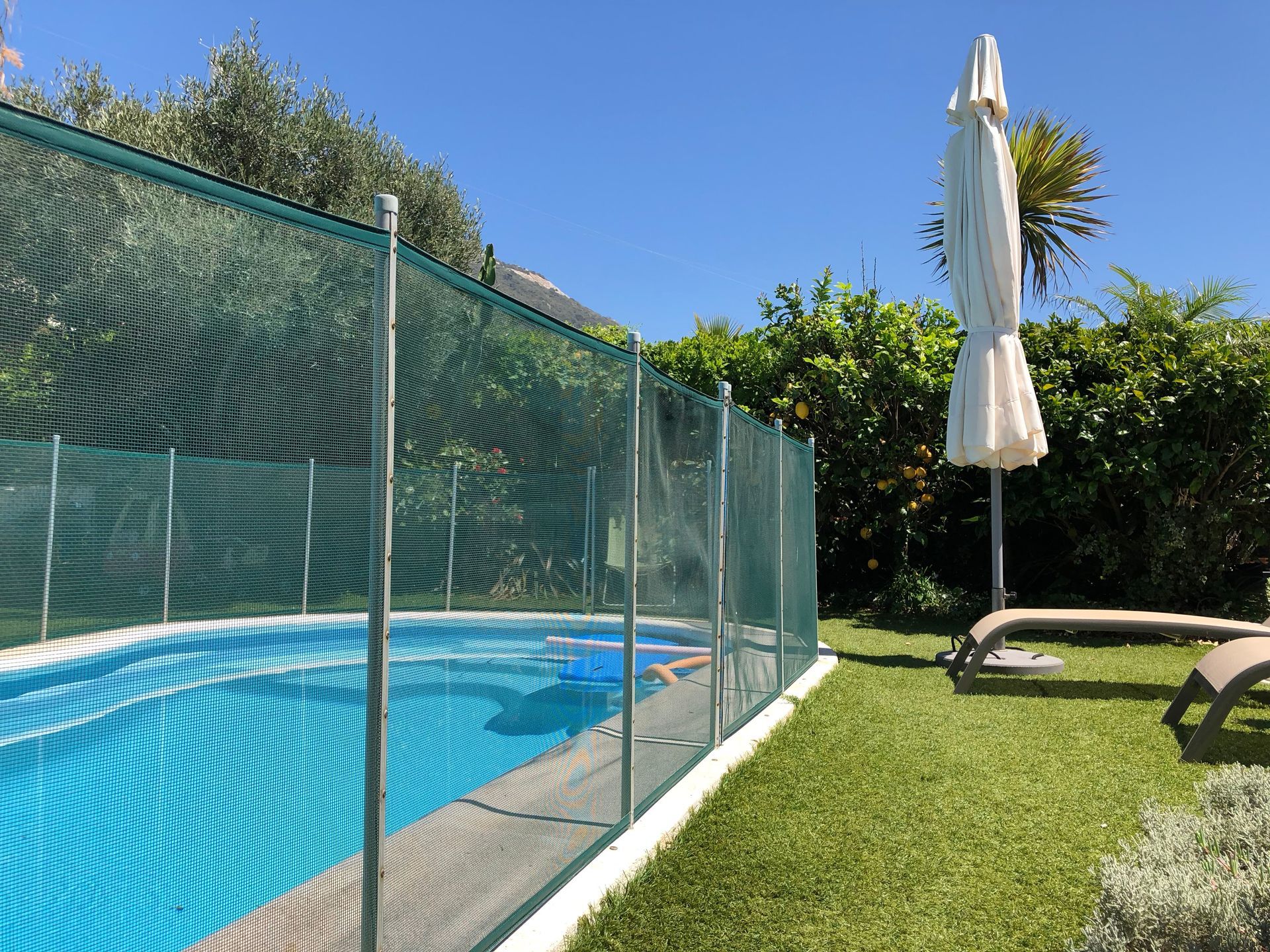
Designing a secure and visually appealing aquatic perimeter requires careful consideration of how various manufacturing materials interact with harsh environmental elements. Outdoor water installations present a uniquely punishing microclimate characterized by splashing sanitizing chemicals, constant ambient moisture, and shifting seasonal temperatures. When water is treated with sanitizers, it releases vapor and direct overspray that can quickly degrade substandard barriers. Choosing an appropriate enclosure requires balancing architectural preference with material science to achieve long term performance.
Property owners must carefully weigh the balance between initial installation expenses and recurring maintenance obligations. Selecting an incompatible material often leads to premature structural degradation, corrosion, and costly early replacements. A thorough examination of how individual fencing types endure moisture, salt, chemical vapor, and wind loads empowers buyers to make educated investments. Exploring the behavior of modern barriers provides clarity on how each material performs under continuous exposure to outdoor stressors.
Evaluating Metal Barriers for Corrosion Resistance and Structural Integrity
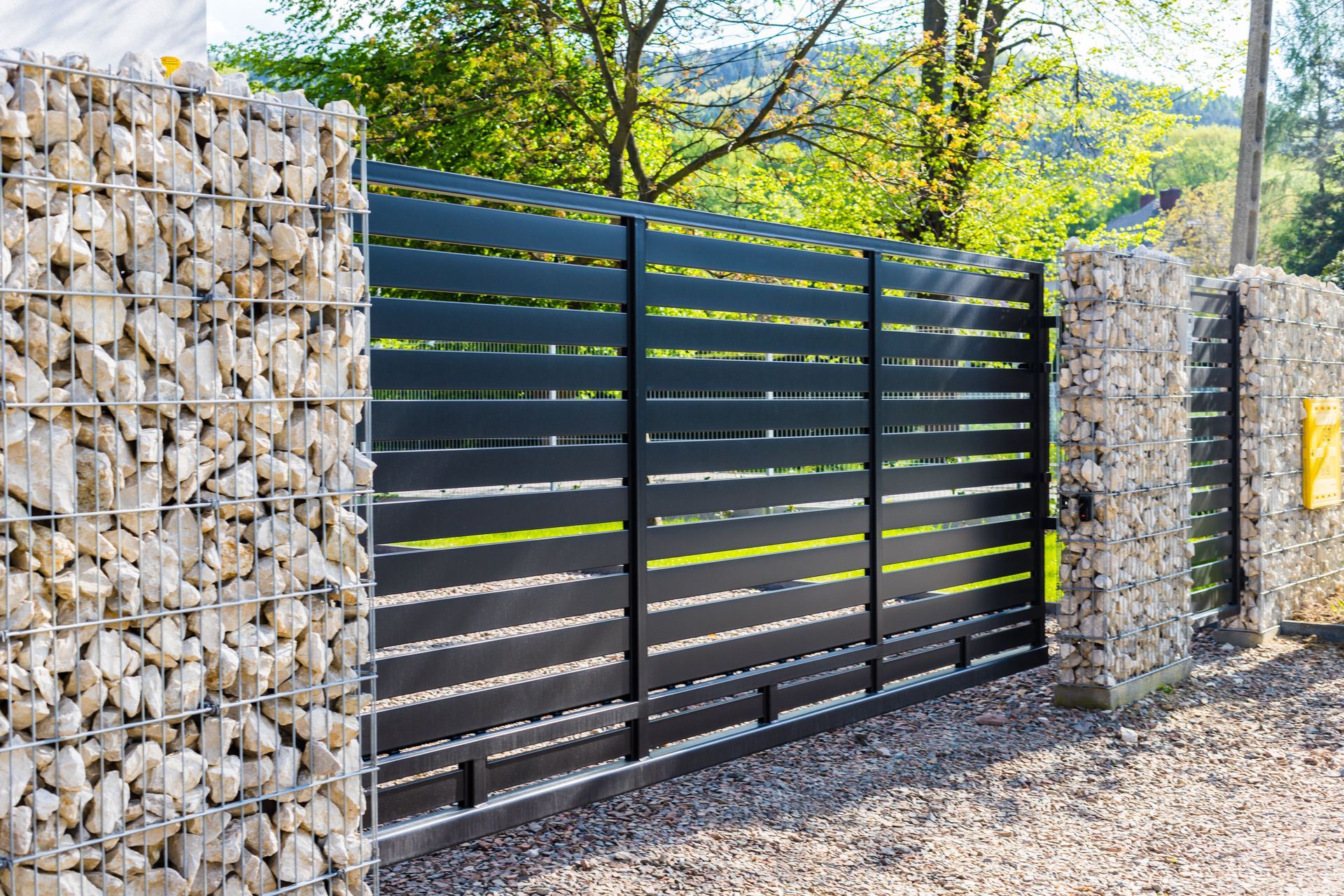
Aluminum and steel represent the primary metallic options utilized for surrounding modern leisure areas. Aluminum naturally resists oxidation because it generates a microscopic oxide layer upon exposure to oxygen, preventing the underlying metal from degrading when splashed with chemically treated water. Conversely, raw carbon steel will oxidize rapidly in wet environments, necessitating heavy protective treatments during fabrication. When manufactured properly with electrostatic powder coatings, both metals deliver immense rigidity, but aluminum remains inherently superior at resisting moisture-induced deterioration.
Powder coated finishes shield the metal substrate from oxidation, but any gouge or scratch can introduce moisture beneath the paint layer. For steel, even a minor defect can cause rust to creep underneath the finish, creating structural instability over several seasons. Aluminum prevents this failure mechanism, as the exposed metal does not rust away. Professional installations demand regular freshwater washdowns to eliminate accumulated chemical residues and atmospheric salts, ensuring that the installation provides years of reliable physical protection. Pool fences crafted from metal therefore demand careful material selection based on regional humidity and proximity to open water.
Assessing Wooden Enclosures for Moisture Vulnerability and Organic Degradation
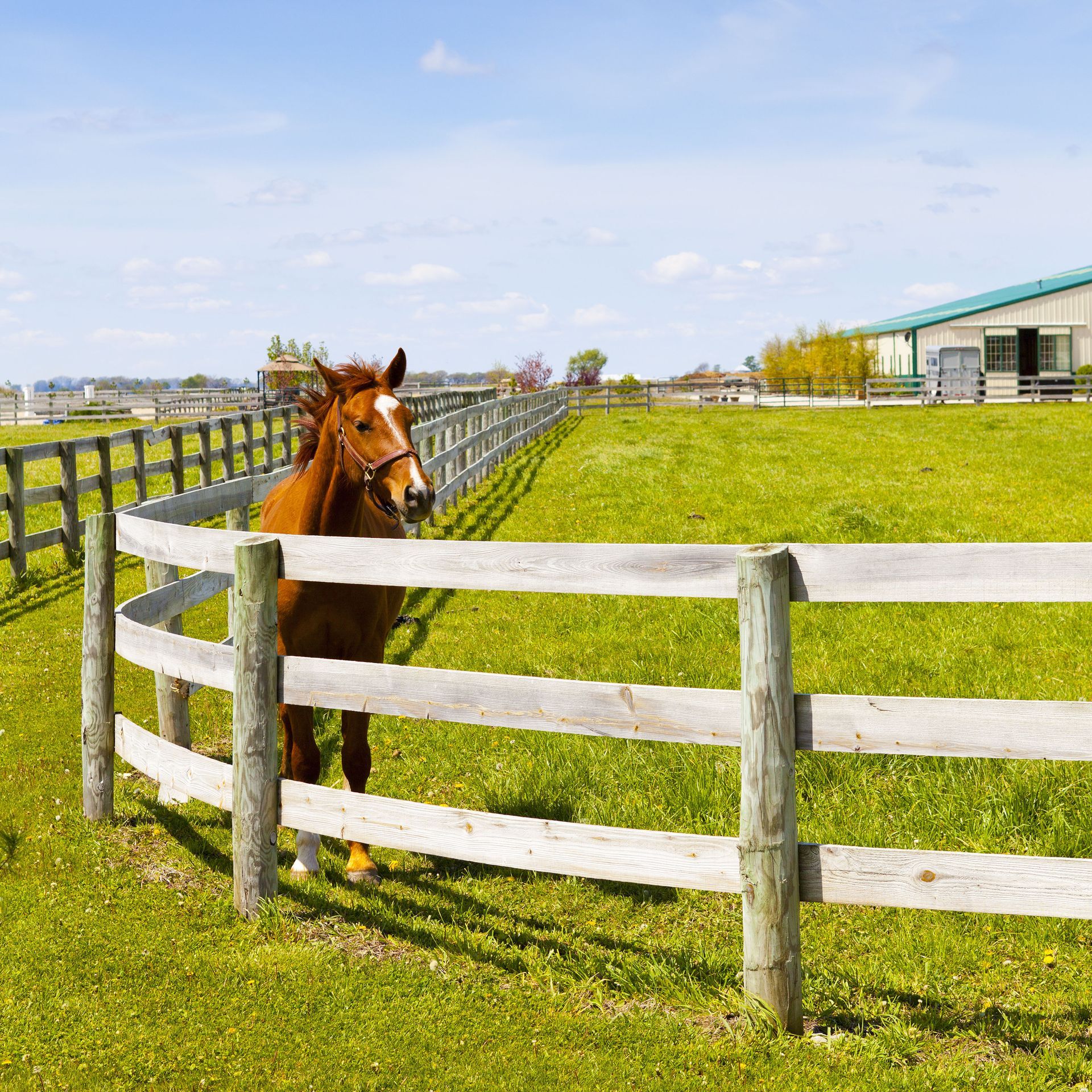
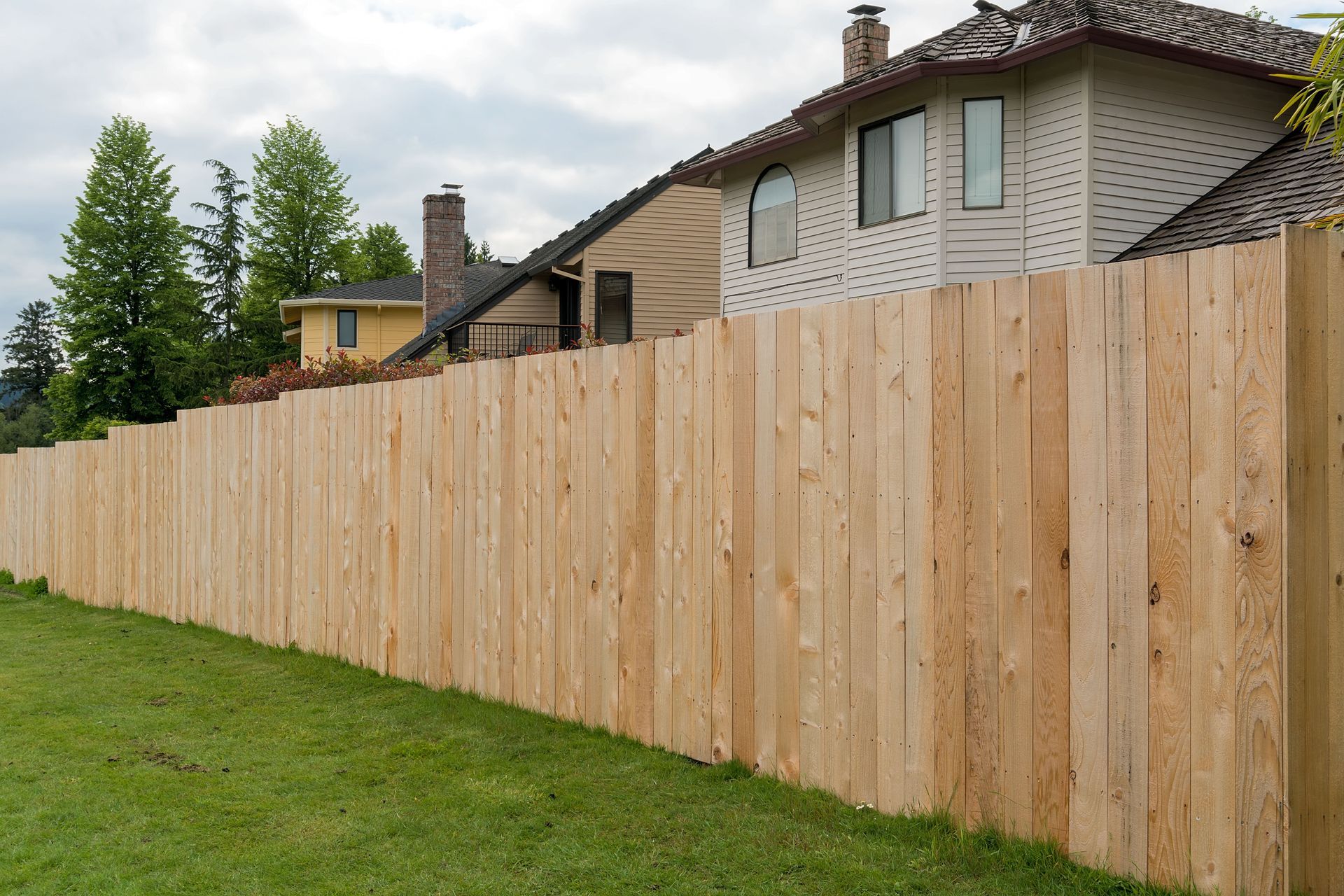
Natural lumber provides a classic organic aesthetic that harmonizes well with natural garden landscapes, yet it presents inherent vulnerabilities when positioned near open water. Constant water splashing introduces continuous hydration, creating an ideal breeding ground for wood-destroying fungi, mold, and mildew. Even resilient species such as redwood, cypress, and western red cedar suffer surface bleaching and cell breakdown when exposed to oxidative sanitizers. Without prompt chemical conditioning, organic boards rapidly warp, cup, and splinter under the intense summer sun.
To combat premature decay, lumber destined for wet perimeters must undergo specialized pressure treatment with chemical preservatives. Even after deep preservative penetration, the exterior requires continuous applications of water-repellent sealants and ultraviolet inhibitors to block moisture penetration. Pool fences constructed from wood typically require annual professional power washing, resealing, and periodic board fastening to prevent severe structural failure caused by seasonal swelling and contraction. Pool fences serve as a critical safety and aesthetic feature for homes and recreational centers. Given their exposure to environmental elements like chlorine and humidity, appropriate material choice ensures longevity and cost-effectiveness. According to Maximize Market Research, the pool fencing market size was valued at USD 3.80 billion in 2025, reflecting the growing need for durable fencing solutions.
Reviewing Vinyl Assemblies for Weather Toughness and Minimal Upkeep
Polyvinyl chloride represents an exceptional synthetic alternative for locations exposed to persistent dampness and chemical exposure. Because vinyl is completely non-porous, it cannot absorb moisture or chemical liquids, rendering it immune to rot, blistering, insect infestations, and surface oxidation. When splashes occur, sanitizers simply evaporate or rinse away during rainstorms without causing the surface discoloration or structural brittleness typical of biological products. This impervious surface structure makes vinyl exceptionally resilient across diverse climatic regions.
Manufacturers incorporate specialized ultraviolet stabilizers, such as titanium dioxide, directly into the resin compound to prevent sun degradation and fading. These advanced polymer formulations retain their structural flexibility, enabling the panels to expand and contract smoothly across extreme seasonal temperature swings without cracking. Commercial pool fences manufactured from high grade vinyl require virtually no routine finishing or specialized paint treatments, needing only occasional professional rinses with mild detergents to remove ambient dust. While initial fabrication costs may surpass basic lumber, the extended service life and absence of annual resealing deliver strong financial value over decades of performance.
Examining Glass Panels for Optical Clarity and Environmental Resilience
Architectural glass balustrades provide an unobstructed panoramic view of aquatic areas, creating an open, luxurious environment favored in contemporary landscape architecture. Structural panels rely on heavy, heat-treated tempered or laminated safety glass designed to withstand blunt impacts and high velocity wind loads without fracturing. From a chemical perspective, glass is extraordinarily inert, remaining completely unaffected by corrosive moisture, salt air, or harsh pool sanitizers. The structural stability of the panel itself does not diminish, regardless of continuous chemical vapors or intense heat.
The primary operational challenge of glass systems centers on surface clarity and cosmetic maintenance. Droplets of pool water contain dissolved calcium, minerals, and chemicals that leave stubborn hard water deposits as the water evaporates in the sunlight. In humid zones, lingering condensation attracts airborne particulates, leading to visible streaking and water hazing. To protect the visual openness of pool fences, specialized hydrophobic factory coatings are often bonded to the glass to repel water and streamline routine upkeep. Selecting premium stainless steel or marine-grade clamping hardware ensures that the mounting infrastructure matches the outstanding longevity of the glass panels.
Inspecting Composite Systems for Structural Balance and Outdoor Longevity
Composite formulations blend recycled thermoplastic polymers with pulverized wood flour to engineer a resilient, dual-benefit perimeter product. This hybrid construction mirrors the natural beauty and warm grain texture of classic wood while integrating the weatherproofing strengths of advanced polymers. The synthetic matrix encapsulates the organic fibers, effectively preventing moisture absorption and shielding the core from mold, fungal rot, and subterranean termite colonization. When chlorinated water splashes onto modern capped composite boards, the protective outer polymer shell prevents the chemicals from contacting the cellulose core.
Engineered composites withstand punishing environmental extremes, from freezing winter conditions to humid sub-tropical summers, without experiencing the splitting, twisting, or checking typical of natural lumber. Built-in ultraviolet inhibitors maintain color uniformity, eliminating the need for periodic scraping, staining, or painting. For commercial properties and private estates, composite pool fences offer a robust barrier that maintains its architectural form despite heavy wind exposure. The prolonged performance life and low maintenance footprint make composite systems an attractive choice for demanding installations where long-term durability is the guiding priority.
Selecting Ideal Enclosures for Enduring Protection and Architectural Appeal
Selecting the proper perimeter barrier requires a clear assessment of local atmospheric conditions, budget constraints, and aesthetic goals. Every architectural material exhibits distinct strengths and weaknesses when exposed to persistent chemical overspray, dense humidity, and seasonal storms. While treated lumber delivers historic appeal at the cost of frequent preservation, synthetics, glass, and specialized metals provide superior durability that resists decay over many years. A successful installation protects occupants, elevates property aesthetics, and performs reliably for decades without unexpected structural failure.
Protecting your property demands professional guidance and precision fabrication tailored to your specific microclimate. High caliber
pool fences require experienced planning, premium materials, and certified installation techniques to guarantee lasting resilience against chemical wear and harsh outdoor conditions. To explore durable, precision-engineered enclosure options that will protect your property for years to come, contact the experienced team at Great Barrier Fence Co today for an expert consultation and a personalized project estimate.