May 21, 2026
Property improvements should do more than change how a yard looks. They should support privacy, safety, daily convenience, curb appeal, and long-term value. A fence is one of the most visible upgrades a property owner can make, which means the planning and installation process deserves careful attention. The right fence can frame a home beautifully, define usable outdoor areas, and help create a more comfortable space for children, pets, guests, and everyday routines. It can also make routine maintenance, outdoor hosting, and property access feel more organized.
Because fencing affects both appearance and function, the quality of the work matters from the very beginning. Professional fence installers understand how layout, materials, measurements, terrain, gates, and property boundaries come together. Their work can help prevent avoidable problems, such as uneven lines, unstable posts, poor drainage, difficult gate access, or materials that do not match the property’s needs. When homeowners want an improvement that looks finished and performs well over time, skilled installation can make a major difference.
Planning With Property Goals
Every fencing project starts with a reason. Some homeowners want more privacy around a backyard. Others need a secure space for pets, better separation from neighboring properties, or a cleaner frame around landscaping, patios, pools, and driveways. Fence installers help turn those goals into a practical plan by looking at how the property is used and what type of fence can support that purpose.
Planning also includes decisions about height, style, material, gate placement, and the level of visibility desired. A tall privacy fence may work well behind a home, while a decorative fence may be better suited for a front yard or garden area. Without careful planning, a fence can feel out of place or fail to solve the original concern. Fence installers help homeowners think through the full layout so the finished project feels intentional rather than rushed.
Measuring With Greater Accuracy
Accurate measurements are essential for a clean fence installation. A small mistake in spacing, post placement, or property layout can affect the entire project. Fence installers know how to assess the yard before the work begins, taking note of slopes, corners, obstacles, utility areas, and access points. This helps reduce the chance of gaps, uneven sections, or awkward transitions between fence lines.
Measurements also matter when ordering materials. Too little material can delay the project, while too much can increase unnecessary costs. Gates, posts, panels, hardware, and decorative elements all need to be calculated with care. Fence installers can also identify spots where the layout may need to shift because of trees, drainage patterns, walkways, or existing outdoor features. When the measuring process is handled correctly, the installation can move forward more efficiently and the final result is more likely to look balanced across the entire property.
Installing With Structural Strength
A fence may look simple from a distance, but its strength depends on what happens below the surface. Posts need to be set correctly, spacing needs to be consistent, and the materials need to be secured in a way that can handle weather, movement, and daily use. Fence installers bring the knowledge needed to build a fence that is not only attractive but also stable.
Structural strength is especially important in areas exposed to wind, heavy rain, snow, or shifting ground. If posts are too shallow, poorly aligned, or not properly secured, the fence may lean or weaken sooner than expected. Gates can also sag if they are not installed with the right support. By focusing on strength during installation, fence installers help homeowners avoid many of the problems that can develop when fencing is installed without proper technique.
Choosing Materials With Purpose
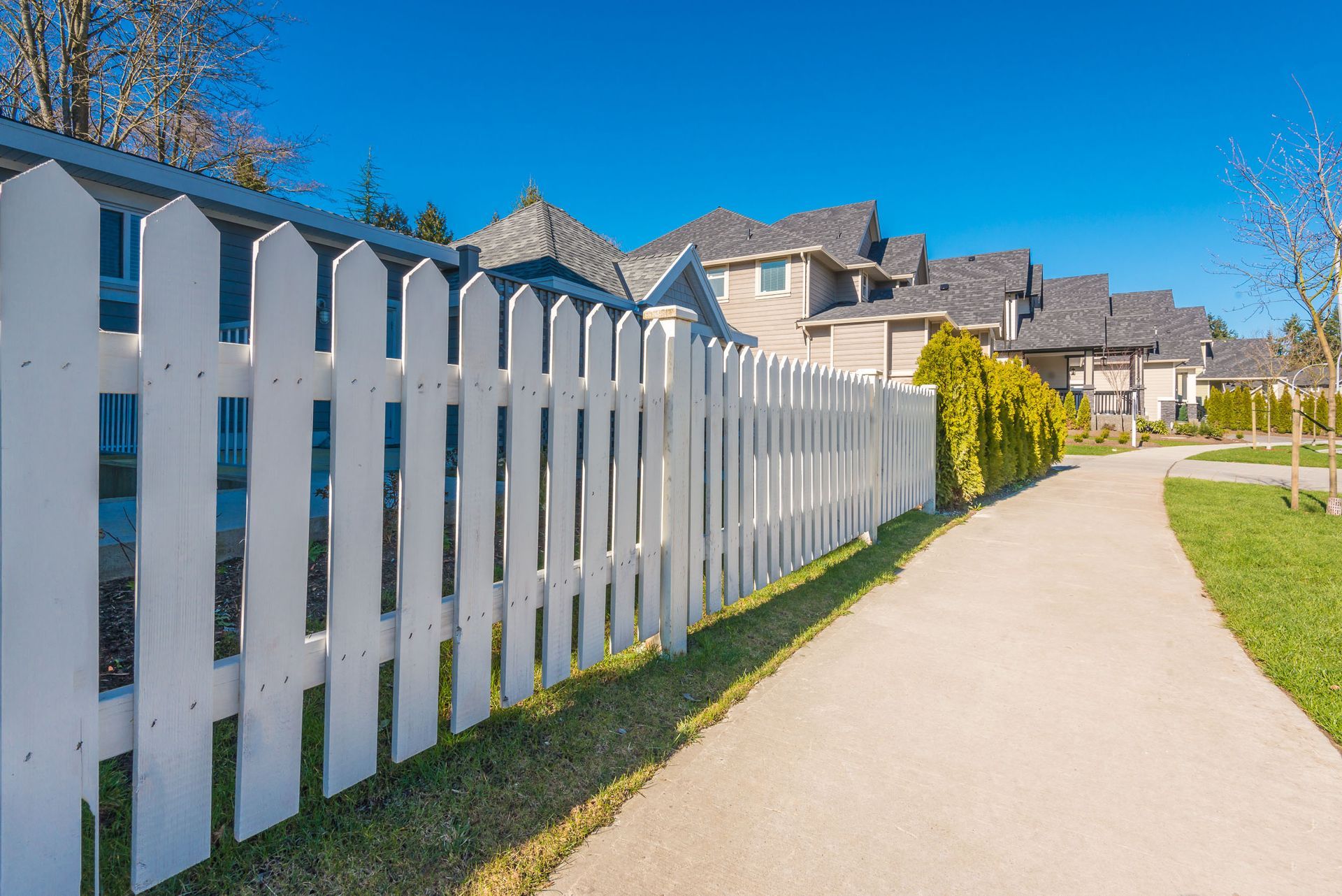
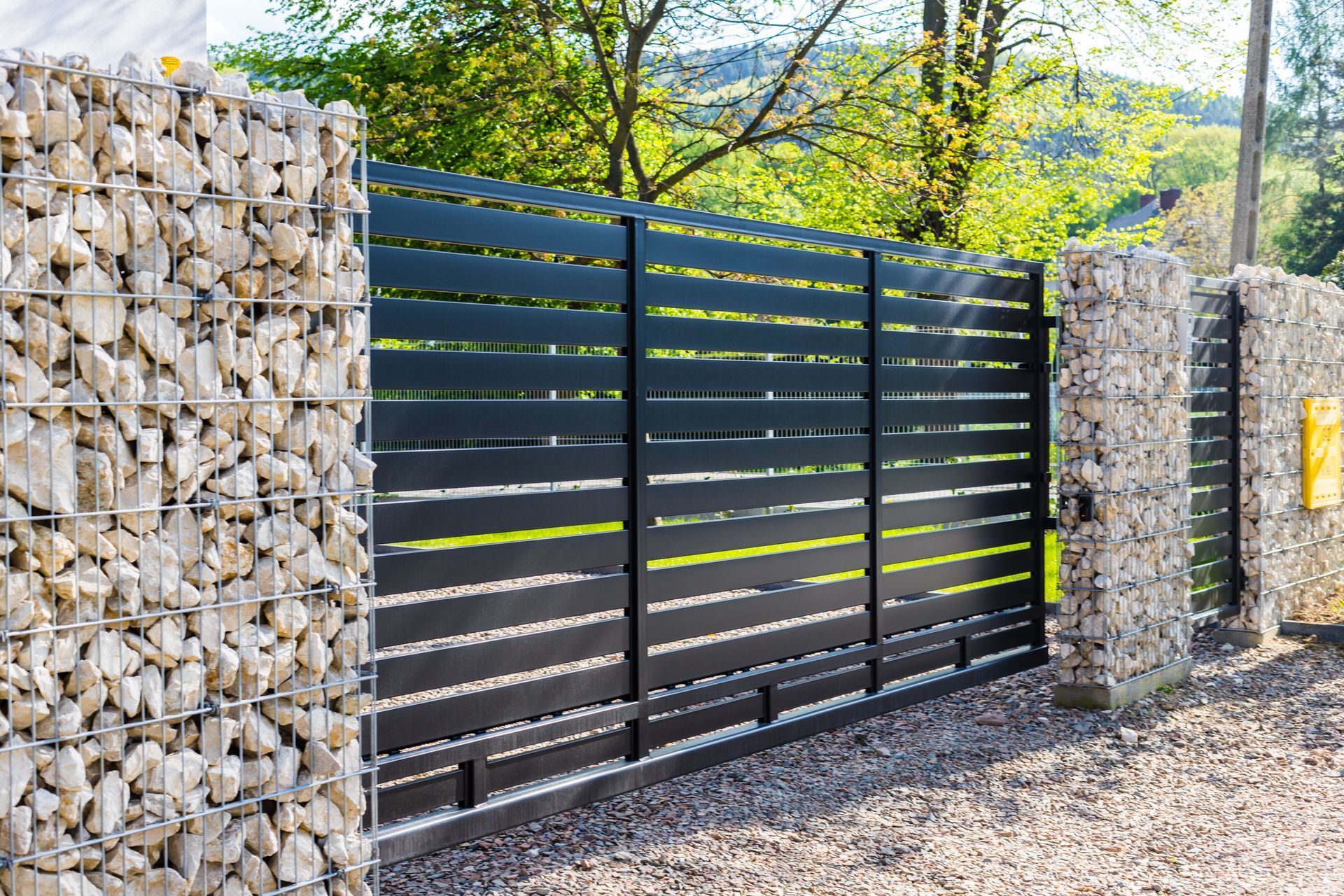
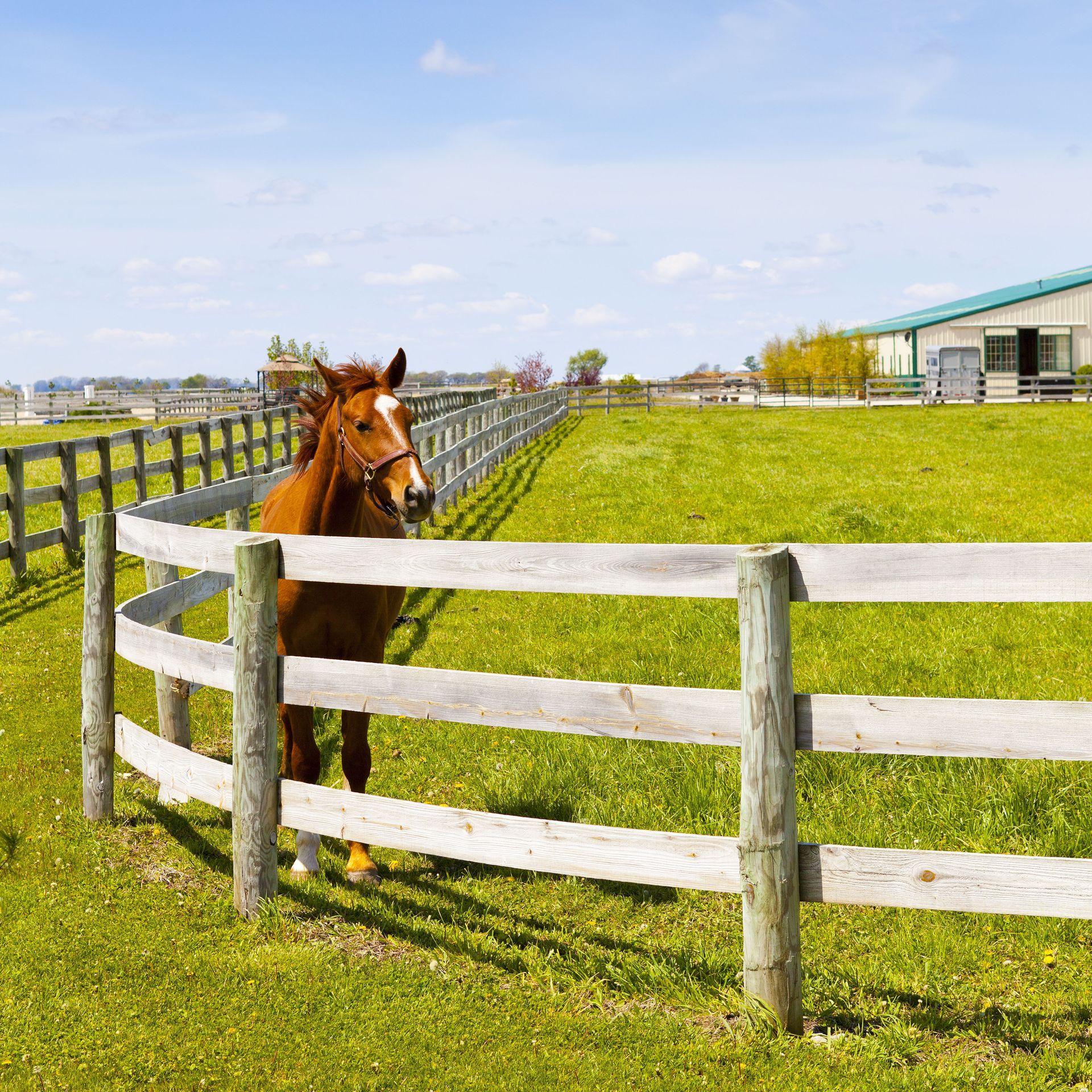
Different fencing materials offer different benefits. Wood can provide a classic look and strong privacy, while vinyl can offer a clean appearance with lower maintenance needs. Aluminum, chain link, composite, and other options may also fit specific property goals. Fence installers can explain how each material performs and help homeowners choose an option based on budget, style, durability, and upkeep.
This decision can also affect property value. According to Fast Expert, homeowners can see a return on investment of up to 70% on fence installations. While return on investment can vary based on the property, market, fence type, and overall condition of the home, this shows why quality matters. A fence that is well-chosen and well-installed can improve both daily function and visual appeal. Fence installers help homeowners select materials that make sense for how the property is used now and how it may need to function in the future.
Protecting Curb Appeal
A fence has a strong visual impact because it outlines the property and shapes the first impression of the home. When the style, color, height, and layout complement the house, the fence can make the whole property look more polished. Fence installers understand how to create clean lines, consistent spacing, and smooth transitions that support curb appeal.
Poorly installed fencing can have the opposite effect. Leaning posts, uneven panels, mismatched materials, and awkward gate placement can make the property look unfinished. Even a high-quality material can look disappointing if it is not installed with care. Fence installers pay attention to the details that help the finished project look professional, from the alignment of each section to the way the fence connects with landscaping and hardscaping.
Supporting Privacy and Security
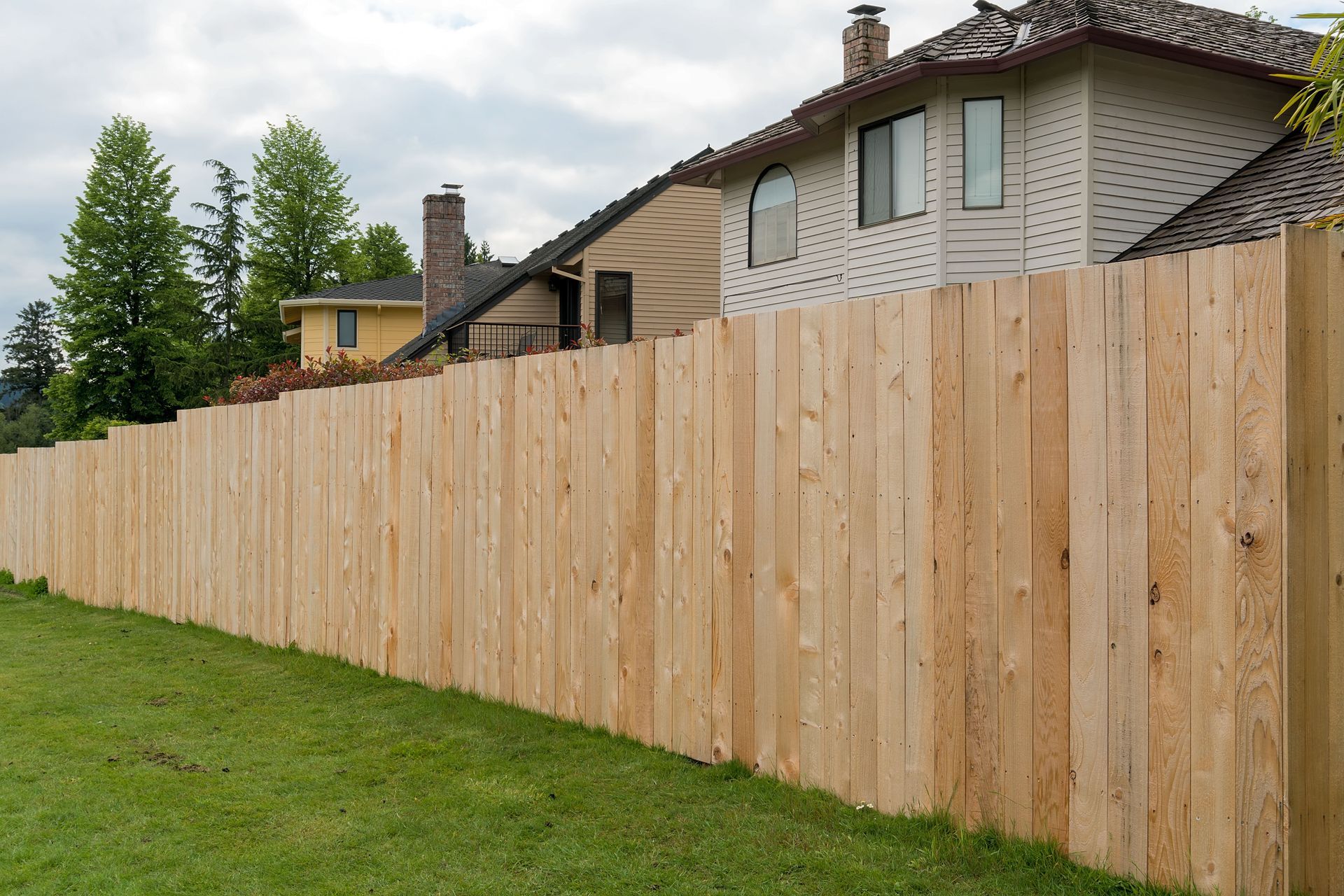
Many homeowners invest in fencing because they want a more private and secure outdoor space. A well-placed fence can reduce visibility from nearby streets or neighboring yards, making patios, decks, pools, and backyards feel more comfortable. Fence installers can help determine the best height and layout for privacy while still keeping the property attractive and functional.
Security is another important consideration. Fencing can help define boundaries, guide foot traffic, protect pets, and make outdoor spaces easier to manage. Gate placement, latches, material strength, and visibility all play a role in how secure the finished fence feels. Fence installers can help homeowners balance privacy, access, and appearance so the fence supports daily routines without creating unnecessary inconvenience.
Improving Long-Term Results
A fence is a long-term property improvement, so the quality of the installation can affect maintenance, repairs, and overall satisfaction for years. When the project is completed carefully, homeowners are more likely to enjoy a fence that remains straight, functional, and visually appealing. Fence installers help create this outcome by combining planning, preparation, proper tools, and installation experience.
Long-term results also depend on how well the fence fits the property. A fence that blocks the wrong view, limits access, or requires more upkeep than expected may become frustrating over time. A thoughtfully installed fence, however, can make the property easier to use and more enjoyable. From backyard privacy to improved curb appeal, the right installation can support the way homeowners live every day.
Quality fencing is about more than placing posts and panels in the ground. It is about building an improvement that fits the property, supports practical needs, and adds visual value. With the help of experienced fence installers, homeowners can feel more confident that their project is planned carefully, installed correctly, and designed to serve the property well over time. Call Great Barrier Fence Co today to schedule your fence installation or repair service.